
16 November 2026
How to present answers in exams: a neat answer sheet, page by page
A well-presented answer sheet lets the examiner find every point you made in a few seconds. That means clear question numbers, short paragraphs, a margin on the left, key terms underlined, diagrams labelled in pencil, and a line of space between answers. Good presentation makes sure the examiner sees everything you know and wrote down.
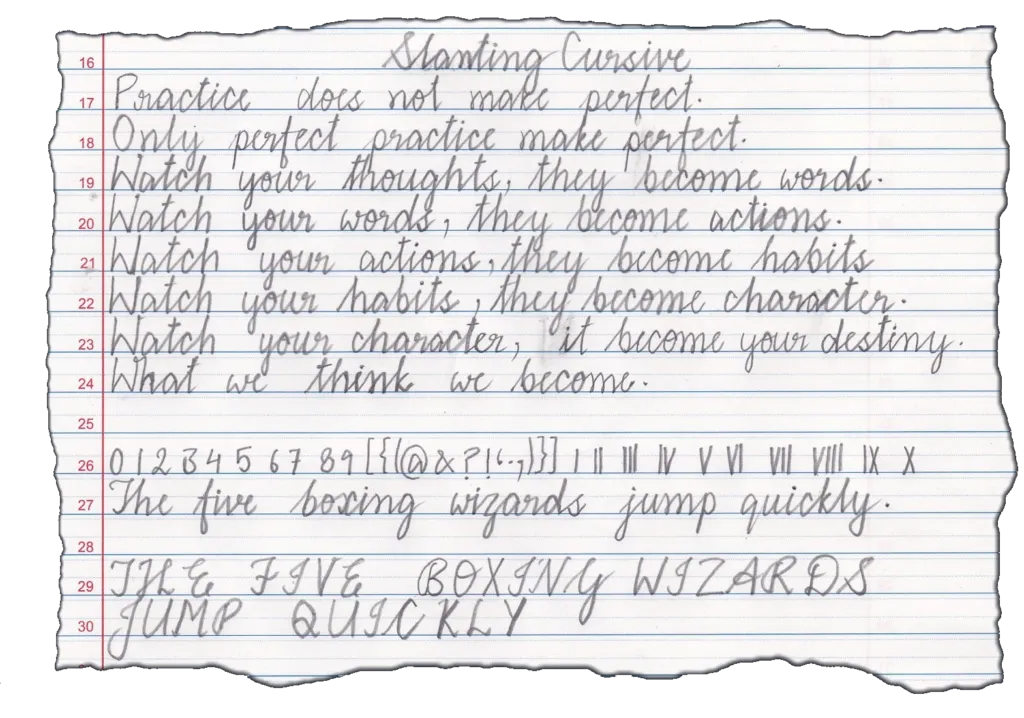
Before you write: set up the page
- Draw a margin on the left of each page if the sheet has none, about two fingers wide. Write question numbers in it.
- Write your roll number and other details exactly as asked, before the exam starts.
- Decide on one pen for the whole paper, and keep a spare of the same kind.
Number every answer clearly
Write the question number in the margin, exactly as it appears on the question paper: “Q3 (b)”, not just “3”. Start each new question on a new line, and leave one blank line between answers. If you skip a question and come back to it, the number tells the examiner where it belongs.
Write in short paragraphs
Long blocks of text hide your points. Give each point its own short paragraph of two to four sentences. For a long answer:
- Start with one or two sentences that answer the question directly.
- Give each supporting point its own paragraph.
- End with a line that ties the answer back to the question, if the subject expects it.
Use headings and points where they fit
In answers that list causes, features or steps, a small heading or numbered points make each one easy to count. Do not turn every answer into points, though. In English and some social science answers, examiners expect connected paragraphs. Follow what your teacher and your sample papers show.
Underline key terms, sparingly
Underline the key terms, dates, formulas and names with a pencil and ruler, or neatly in the same pen. Underline a few words per answer. If everything is underlined, nothing stands out.
Diagrams, tables and working
- Draw diagrams in pencil, with a ruler for straight lines, and label them in neat print.
- Give each diagram a title and leave space around it.
- In maths and science, show the working step by step, one step per line, and box or underline the final answer.
- Draw tables with a ruler. Columns make comparisons easy to mark.
Handwriting that holds up for three hours
Presentation falls apart when handwriting does. Keep the letters a moderate, steady size, and leave a clear space between words. Our guide to letter size and word spacing explains both. And use a smooth pen you have practised with: see which pen is best for handwriting.
Corrections
Draw one straight line through a mistake and write the correction next to it. Do not scribble over it or use correction fluid unless your exam allows it. A single neat line looks like a careful writer changing their mind.
Leave time to check
Keep the last five to ten minutes to read through. Check that every answer is numbered, that no page is skipped, and that any word that is hard to read is fixed.
Common presentation mistakes
- Question numbers missing, or written inside the text where they get lost.
- One long paragraph for a ten-mark answer.
- Underlining whole sentences.
- Diagrams drawn in pen with no labels.
- Answers squeezed together with no space between them.
- Handwriting that gets smaller and messier towards the end.
Practise presentation before the exam
Take one sample paper a week and answer two questions in exam conditions, with the timer on. Then look at the page as an examiner would: can you find each point in a few seconds? Fix one thing for next week.
Sudhir Sir looks at letter size, spacing, slant, grip and speed in our free handwriting check. Send a photo of one answer page, and he will reply on WhatsApp with the three changes that will help most.
Frequently asked questions
How should I present answers in board exams?
Number each answer in the margin, write in short paragraphs, underline a few key terms, draw labelled diagrams in pencil, and leave a line between answers.
Should I write answers in points or paragraphs?
Use points for answers that list causes, features or steps, and paragraphs where the subject expects connected writing. Follow your sample papers.
Is it okay to underline in the answer sheet?
Yes, if you underline only key terms, dates and formulas. Use a pencil and ruler or neat lines in the same pen.
How do I make my answer sheet look neat?
Keep letters a steady size, leave space between words and answers, use a margin, and correct mistakes with a single straight line.
Do examiners give marks for presentation?
Clear presentation helps the examiner find every point you made, so none of them is missed while marking.
Book a free trial class